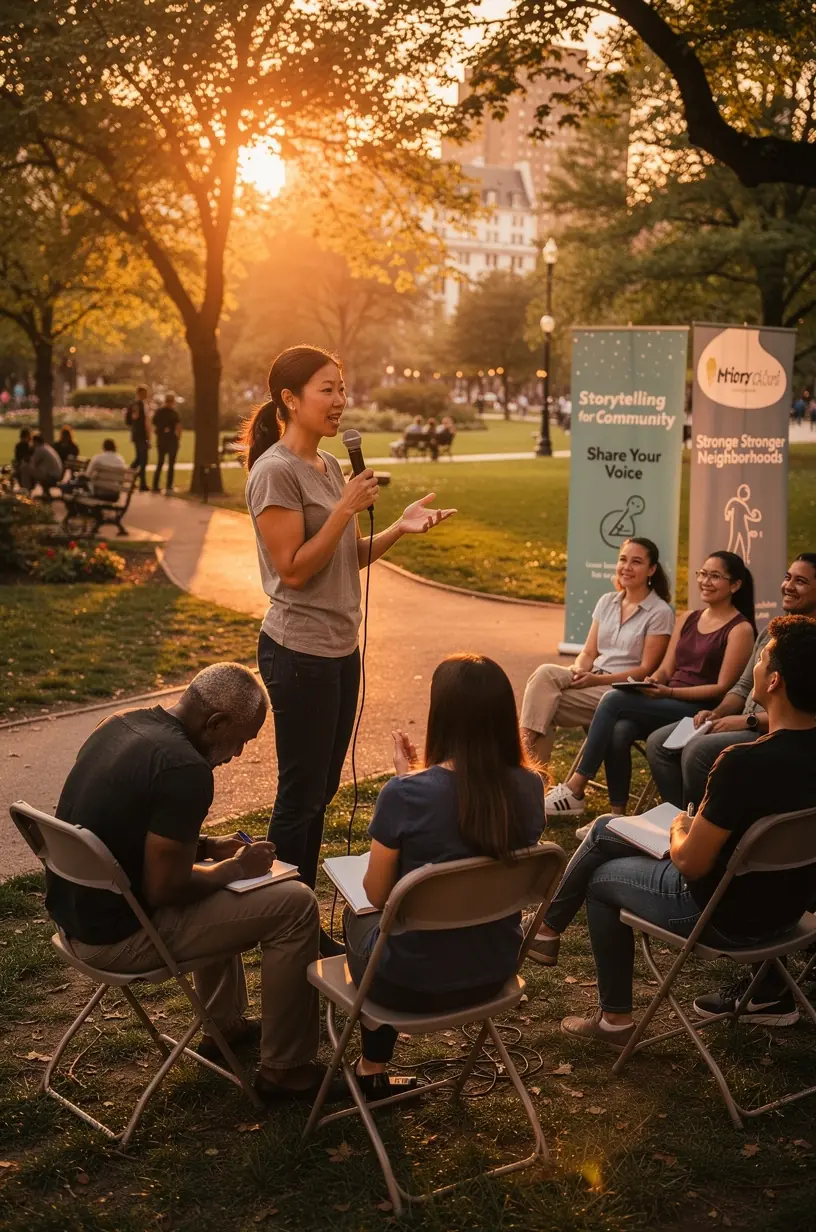
The Impact of Storytelling on Community Resilience
In an increasingly interconnected world, communities face numerous challenges that require innovative solutions. Storytelling has emerged as a powerful tool for fostering resilience within local populations. This article explores the impact of storytelling on community resilience, offering insights and practical applications drawn from research and real-world examples.
Understanding the Basics
Storytelling is an age-old practice that transcends cultures and generations. According to research, storytelling can significantly contribute to community resilience by enhancing social connections, fostering empathy, and promoting problem-solving skills. Experts in community development recommend integrating storytelling into local initiatives to effectively address shared challenges.
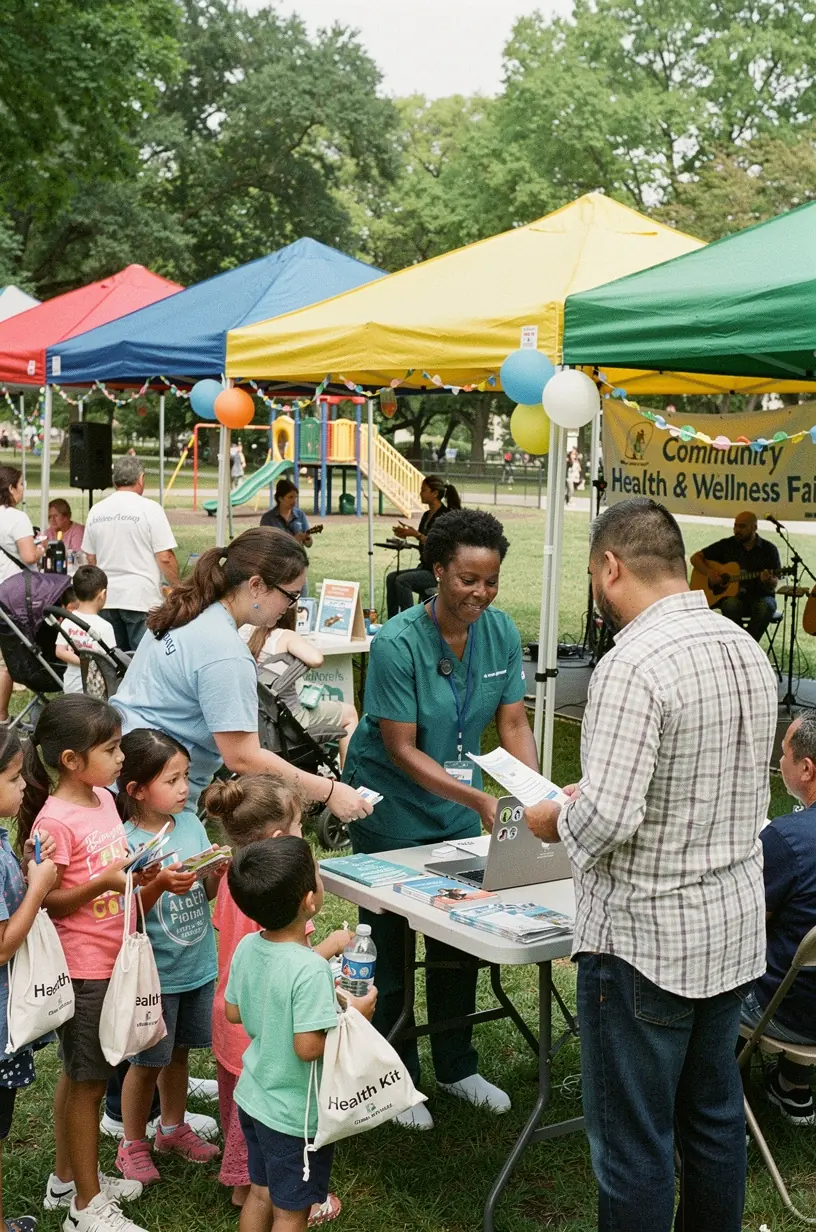
"Storytelling not only preserves cultural heritage but also empowers communities to tackle current issues collaboratively."
The Mechanisms Behind Storytelling's Impact
Understanding how storytelling promotes resilience involves recognizing its psychological and social mechanisms:
- Building Connections: Storytelling helps individuals relate to one another, fostering a sense of belonging. Research indicates that communities where members share stories often report higher levels of trust and cooperation.
- Enhancing Empathy: Engaging with diverse narratives can increase empathy among community members. A study published in the Journal of Personality and Social Psychology found that participants exposed to stories from different perspectives showed improved understanding and compassion towards others.
- Encouraging Problem-Solving: By sharing experiences, communities can brainstorm solutions to common challenges. This collaborative problem-solving approach, which has been shown to be effective in numerous community settings, relies on the narratives that people share.
Practical Application in Communities
Implementing storytelling as a tool for resilience-building can take various forms. Here are some practical approaches:
- Community Story Circles: Organizing regular gatherings where community members can share their stories fosters a supportive environment. Typically, these circles involve guided discussions, allowing participants to explore shared experiences and challenges.
- Digital Storytelling Workshops: Empowering individuals to create and share their stories through digital platforms can expand the reach of community narratives. Workshops often require a commitment of a few hours over several weeks, enabling participants to enhance their technical skills while sharing valuable insights.
- Collaborative Storytelling Initiatives: Many communities have successfully implemented projects that combine storytelling with local history, culture, and current events. These initiatives often involve cross-generational collaboration, which not only preserves heritage but also enhances community bonds.
Conclusion
The impact of storytelling on community resilience is profound and multifaceted. By fostering connections, enhancing empathy, and encouraging collaborative problem-solving, storytelling can play a crucial role in helping communities navigate challenges. While implementing storytelling practices may require time and effort, the potential benefits for social cohesion and problem-solving capabilities are significant. Communities that embrace storytelling not only preserve their narrative heritage but also cultivate resilience for their future.
Learn More