Building Trust Through Shared Community Experiences
In today's rapidly evolving society, communities face numerous challenges that can strain relationships and create distrust. This article explores how sharing local experiences can foster trust among community members and provide practical solutions to common issues.
Understanding the Importance of Trust in Communities
Trust is a foundational element in any community. According to research by the Pew Research Center, high levels of trust among community members often lead to better collaboration and improved problem-solving capabilities. Trust typically encourages open communication, which is essential for addressing local challenges effectively.

"Communities thrive when members feel a sense of belonging and trust in one another." — Community Development Expert
How Shared Experiences Build Trust
Sharing experiences can significantly enhance trust. Here are several ways this works:
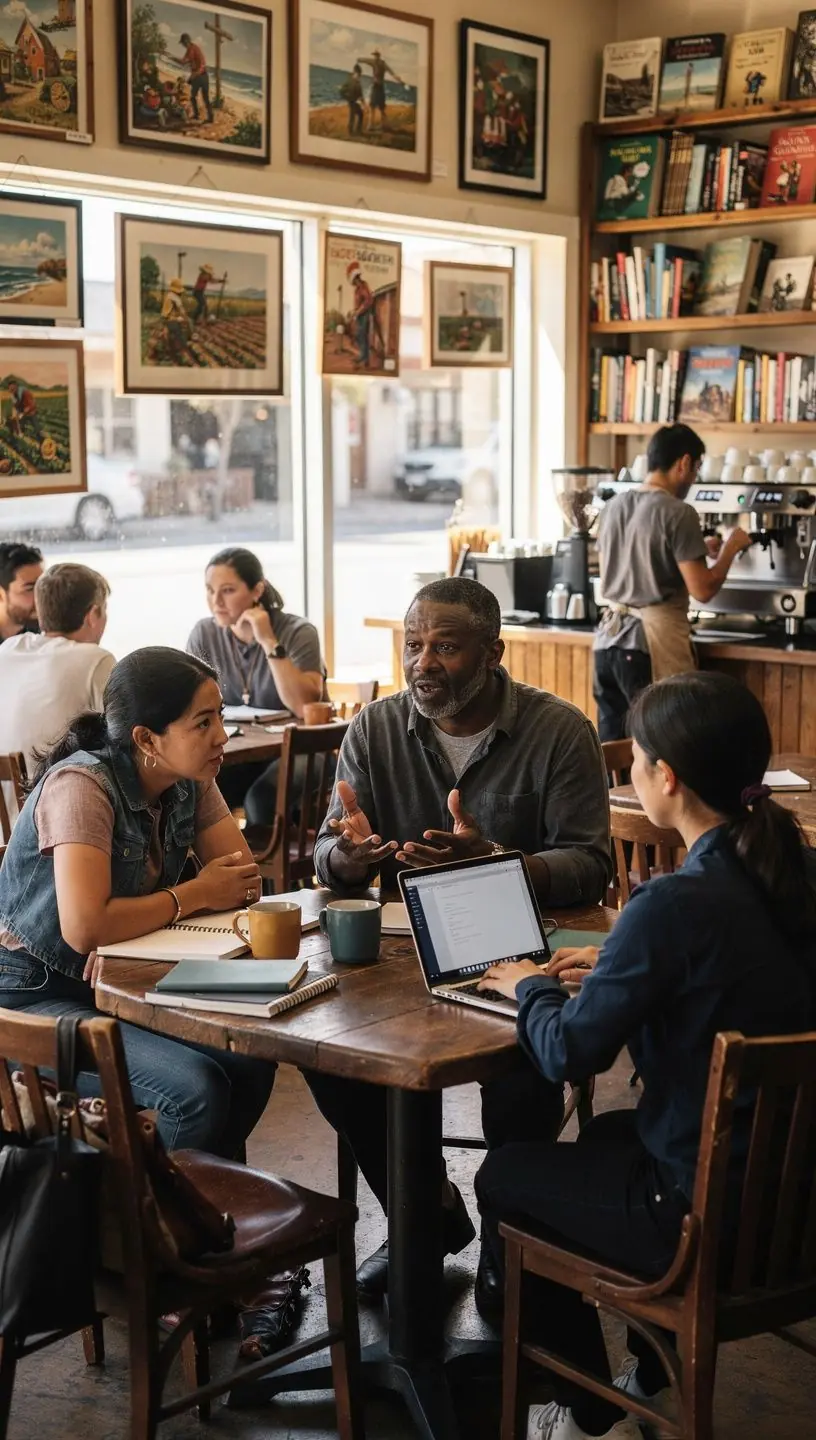
- Encouraging Empathy: When community members share their personal stories, it fosters understanding and empathy. This often leads to stronger interpersonal connections.
- Promoting Transparency: Open discussions about local challenges, successes, and failures can help demystify situations that may be misunderstood or feared. Transparency is crucial for building trust.
- Creating Collaborative Solutions: Many community challenges require collective action. By sharing experiences, members can identify common goals and collaborate on effective solutions.
Implementing a Culture of Sharing in Your Community
To cultivate a culture of sharing experiences, consider the following practical steps:
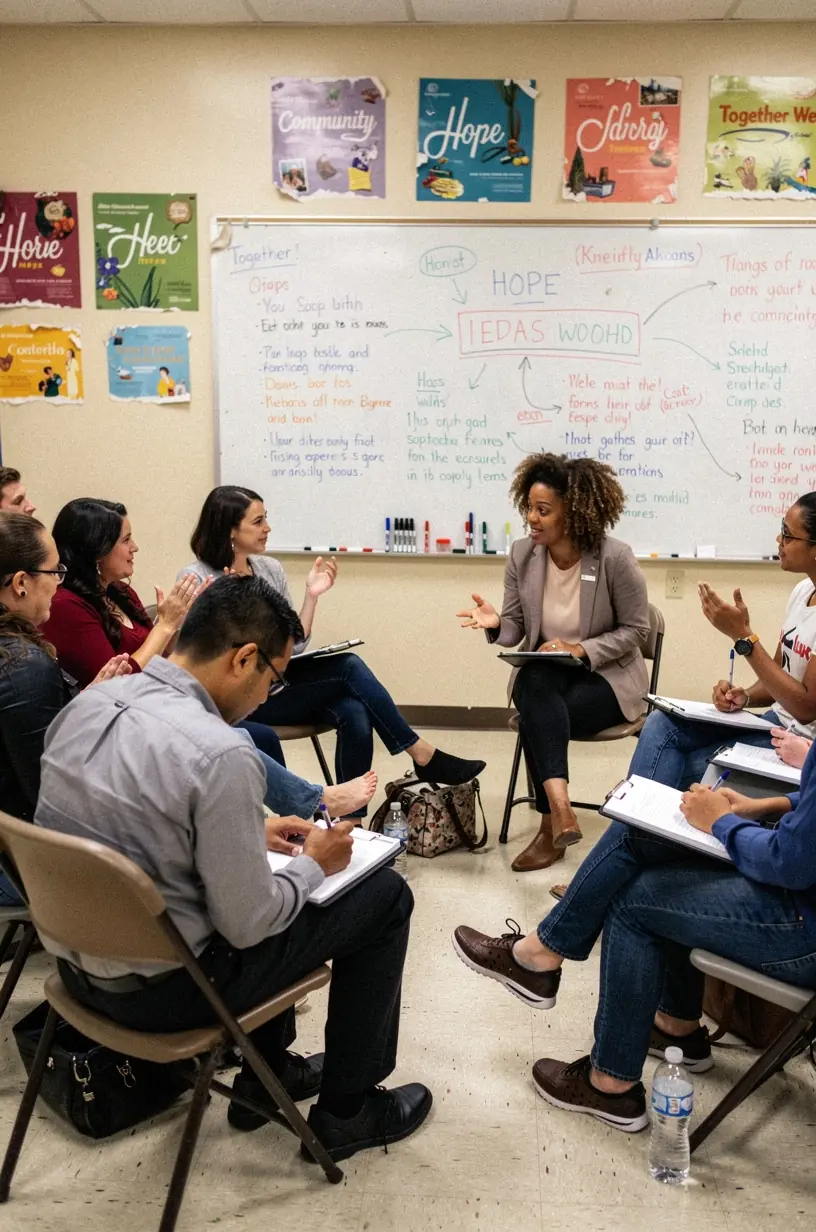
- Host Community Meetings: Organize regular meetings where residents can share their stories and insights. This typically requires a commitment of 1-2 hours per month, but the benefits can be substantial.
- Create Online Platforms: Utilize social media or dedicated community platforms to facilitate ongoing discussions. This approach allows for asynchronous sharing and can reach a broader audience.
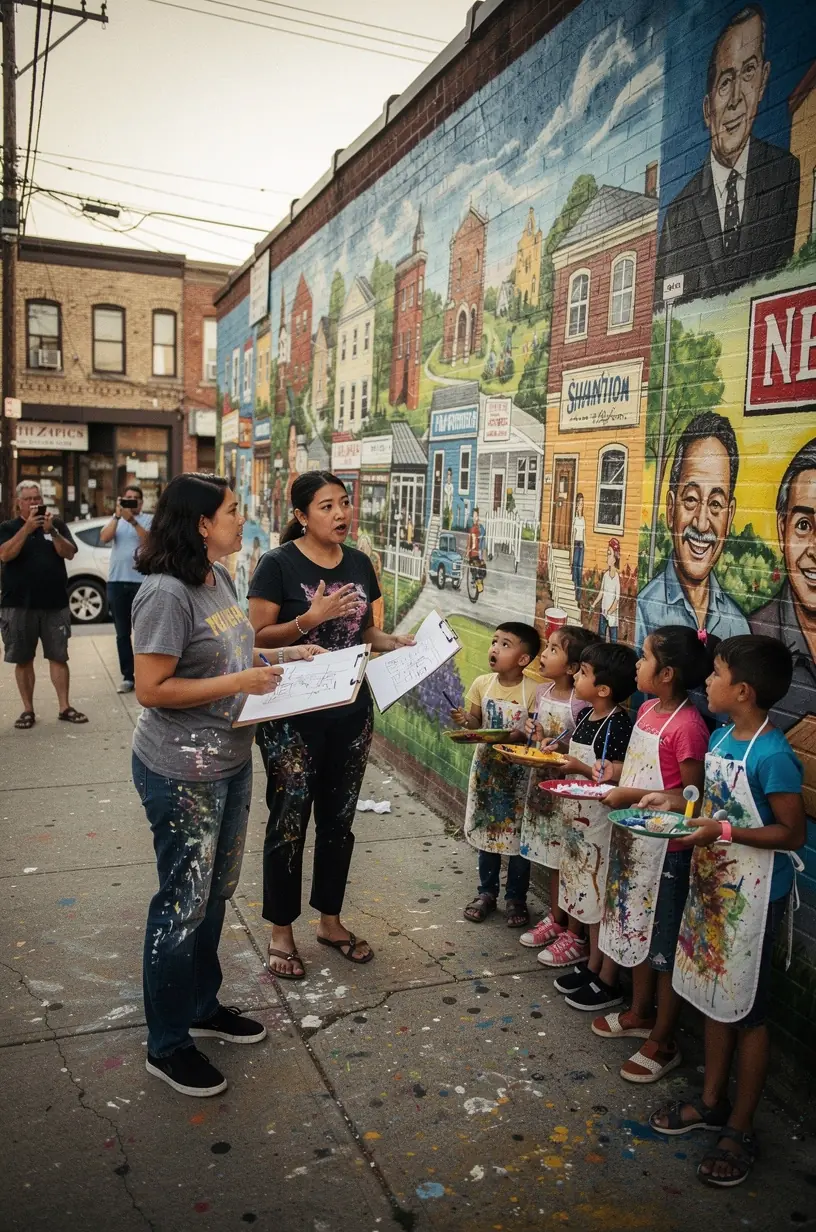
- Encourage Local Storytelling: Promote initiatives that spotlight local stories. Workshops or events can help residents refine their storytelling skills while sharing valuable insights with others.
Acknowledging Limitations
While sharing experiences can significantly enhance trust, it is important to acknowledge some limitations. Establishing a trusting environment typically takes time—often several months. Additionally, some individuals may feel hesitant to share their stories due to fear of judgment or misunderstanding. It's crucial to create a safe space where everyone feels comfortable participating.
Conclusion
Building trust in a community is a gradual process that requires intentional effort and commitment. By sharing experiences, community members can foster empathy, promote transparency, and collaborate on solutions to local challenges. These efforts not only strengthen relationships but also create a more resilient community. Remember, the journey toward trust begins with a simple act: sharing your story.
Learn More