Navigating Cultural Diversity Through Local Stories
Cultural diversity enriches communities, yet navigating its complexities can be challenging. This article explores how local storytelling serves as a powerful tool for understanding and embracing cultural differences.
Understanding the Importance of Local Stories
Local stories play a vital role in connecting communities and fostering understanding among diverse groups. According to research, storytelling can enhance empathy and social cohesion by allowing individuals to share their experiences in a relatable manner. Experts recommend that communities encourage storytelling to bridge cultural gaps.

"Storytelling is an effective way to share cultural experiences and challenges, helping to humanize and contextualize differences." - Cultural Studies Expert
How Local Stories Foster Cultural Understanding
Understanding why and how local stories facilitate cultural connection is essential. Here are some key reasons:
- Humanization of Experiences: When individuals share personal stories, it allows others to see the world from a different perspective, often leading to increased empathy.
- Shared Challenges: Many communities face similar challenges, regardless of cultural background. Sharing these challenges can unite people and foster collective problem-solving.
- Preservation of Heritage: Local storytelling not only educates others about different cultures but also helps preserve the narratives of various communities, which may otherwise be forgotten.
Practical Steps for Encouraging Local Storytelling
To effectively utilize storytelling as a means to navigate cultural diversity, consider the following actionable steps:
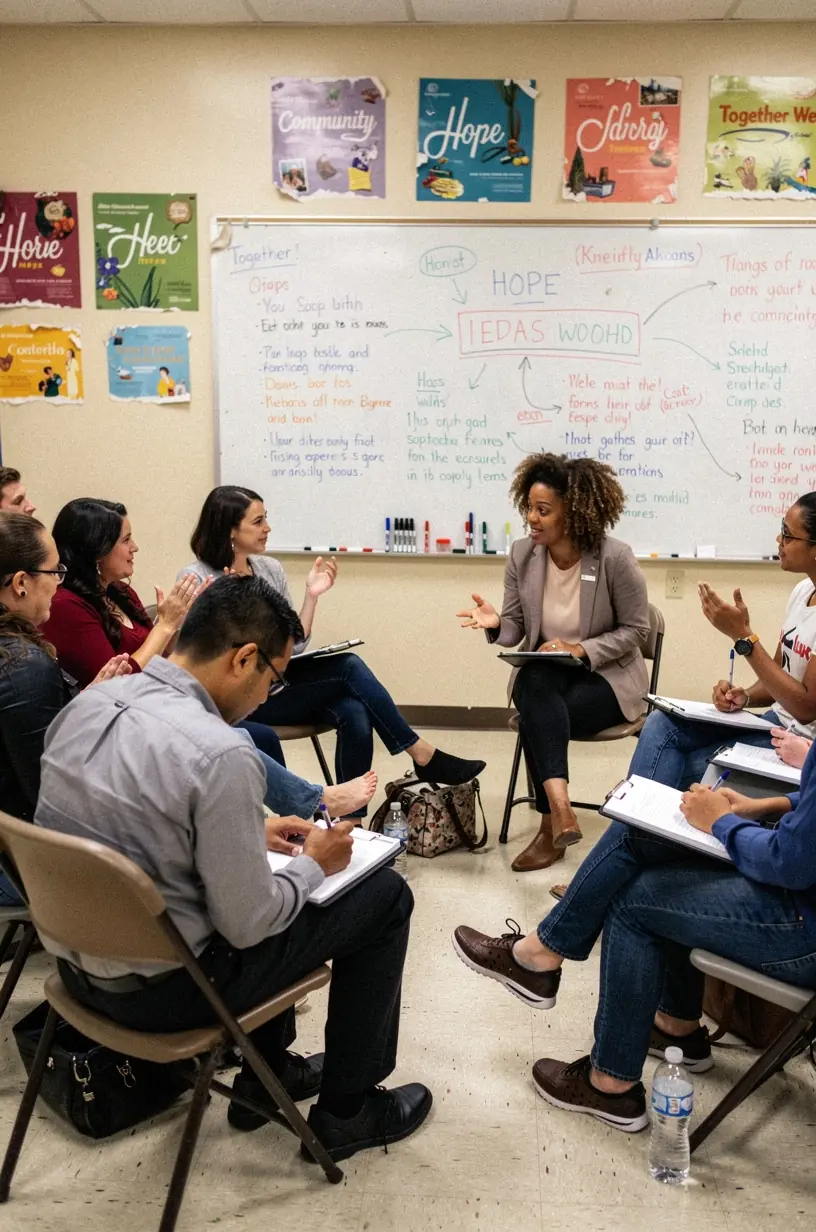
- Organize Community Events: Host storytelling nights where individuals can share their experiences. This encourages participation and creates a safe space for dialogue.
- Utilize Digital Platforms: Many users report that online platforms can help reach a wider audience, allowing stories to transcend geographical barriers.
- Collaborate with Local Organizations: Partnering with cultural organizations can enhance credibility and encourage participation from various community groups.
Challenges and Considerations
While storytelling can be a powerful tool, it is important to acknowledge some challenges:
- Not all individuals may feel comfortable sharing their personal stories, which can limit participation.
- Time and effort are required to organize events and promote storytelling initiatives, typically taking several weeks to establish.
- It works best when there is a genuine interest in understanding and respecting different cultures.
Conclusion
In summary, local storytelling is a valuable method for navigating cultural diversity. By prioritizing education and fostering open dialogues, communities can create a more inclusive environment. While challenges exist, the potential for building understanding and empathy through shared experiences is significant. Embracing these narratives is a step toward a more connected and harmonious society.
Learn More