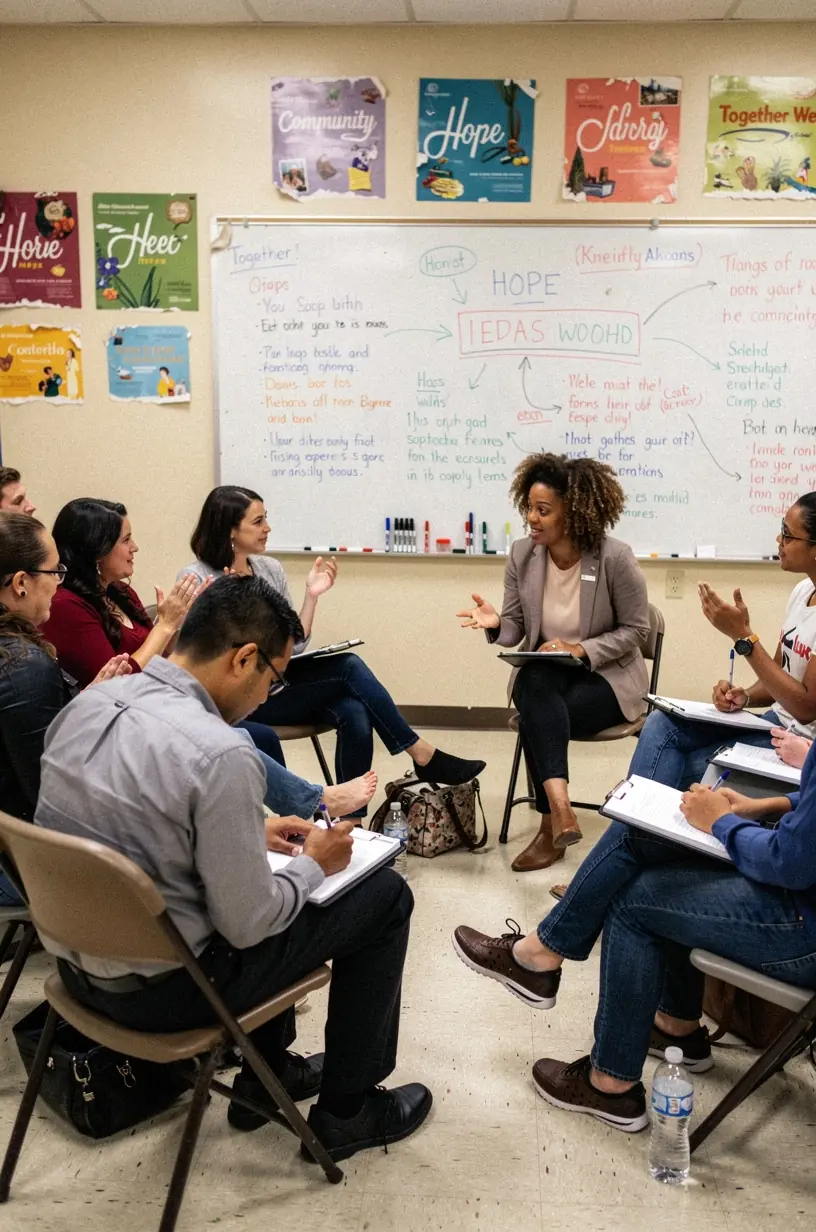
The Importance of Listening in Community Dialogues
In a world where communication is often dominated by loud voices and quick exchanges, the concept of listening has become more critical than ever, especially in community dialogues. Listening effectively can bridge gaps, foster understanding, and create a more inclusive environment for discussing local challenges and solutions.
Understanding the Basics of Listening
Listening is not merely hearing what someone says; it involves understanding and interpreting the message being conveyed. According to research from the International Listening Association, effective listening can lead to improved relationships and collaboration within communities. This is crucial in dialogues where various perspectives must be acknowledged and understood.
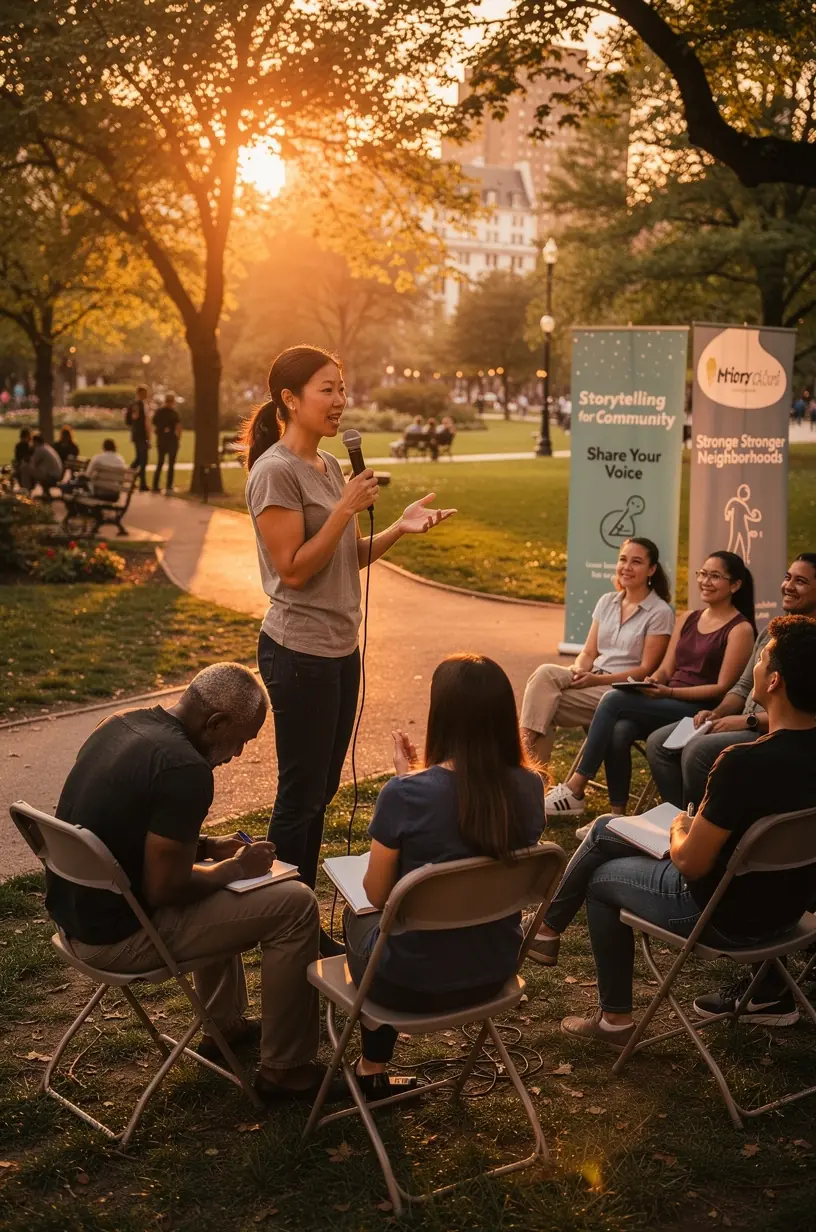
"Listening is a skill that can transform interactions between individuals and communities, allowing for deeper understanding and connection."
Why Listening Matters in Community Engagement
Community dialogues often address complex local challenges, from social justice issues to environmental concerns. In these scenarios, listening serves several vital functions:
- Building Trust: When community members feel heard, trust is established. Studies indicate that trust can significantly enhance participation rates in community initiatives.
- Encouraging Participation: Active listening can motivate individuals to share their thoughts and experiences. Many users report that they are more likely to engage when they believe their input will be valued.
- Uncovering Diverse Perspectives: Effective listening helps in understanding the multifaceted nature of local issues. Experts recommend fostering an environment where diverse voices can share their stories, which may lead to innovative solutions.
Practical Steps for Enhancing Listening Skills
To incorporate effective listening into community dialogues, the following steps can be beneficial:
- Establish Ground Rules: Create guidelines that encourage respectful listening and speaking. This typically involves limiting interruptions and ensuring everyone has a chance to speak.
- Practice Active Listening: Encourage participants to paraphrase what others say to confirm understanding. This process reinforces the speaker's message and demonstrates attentiveness.
- Provide Training: Consider workshops on effective communication and listening strategies. Research shows that such training can improve overall dialogue quality, cultivating a more engaged community.
Recognizing the Challenges
While enhancing listening skills in community dialogues is essential, it is also important to acknowledge the challenges involved. Listening effectively typically requires time and practice. Participants must be willing to engage thoughtfully, which may not always be feasible in fast-paced discussions. Moreover, individuals may struggle with biases that affect their ability to listen fully.
Conclusion
Listening is a powerful tool in community dialogues, enabling deeper connections and fostering collaboration. By prioritizing effective listening, communities can better address local challenges and harness collective insights for meaningful solutions. As we move forward, embracing this skill can lead to more productive conversations that truly reflect the voices of all community members.
Learn More