Practical Approaches to Sharing Local Solutions
In communities across Canada, local challenges often require unique solutions. Through effective storytelling, residents can share their experiences and insights, contributing to a collaborative effort in addressing these issues. This article explores practical approaches to sharing local solutions, highlighting key methodologies and best practices.
Understanding the Importance of Local Solutions
Communities face various issues, from economic downturns to environmental challenges. According to research, engaging local residents in problem-solving can lead to more effective outcomes. Experts recommend that community storytelling can foster a sense of connection and shared purpose, making it easier to find and implement solutions.

"Communities thrive when their members actively participate in the problem-solving process, sharing insights and fostering collaboration." - Community Engagement Expert
Effective Storytelling Techniques
When sharing local solutions, the method of storytelling plays a crucial role. Here are a few techniques that can be employed:
- Personal Narratives: Sharing individual experiences can make solutions relatable. This approach often resonates more with the audience and encourages others to contribute their stories.
- Visual Aids: Incorporating images, infographics, or videos can enhance the storytelling experience. Studies show that visual content can improve retention and understanding by up to 65%.
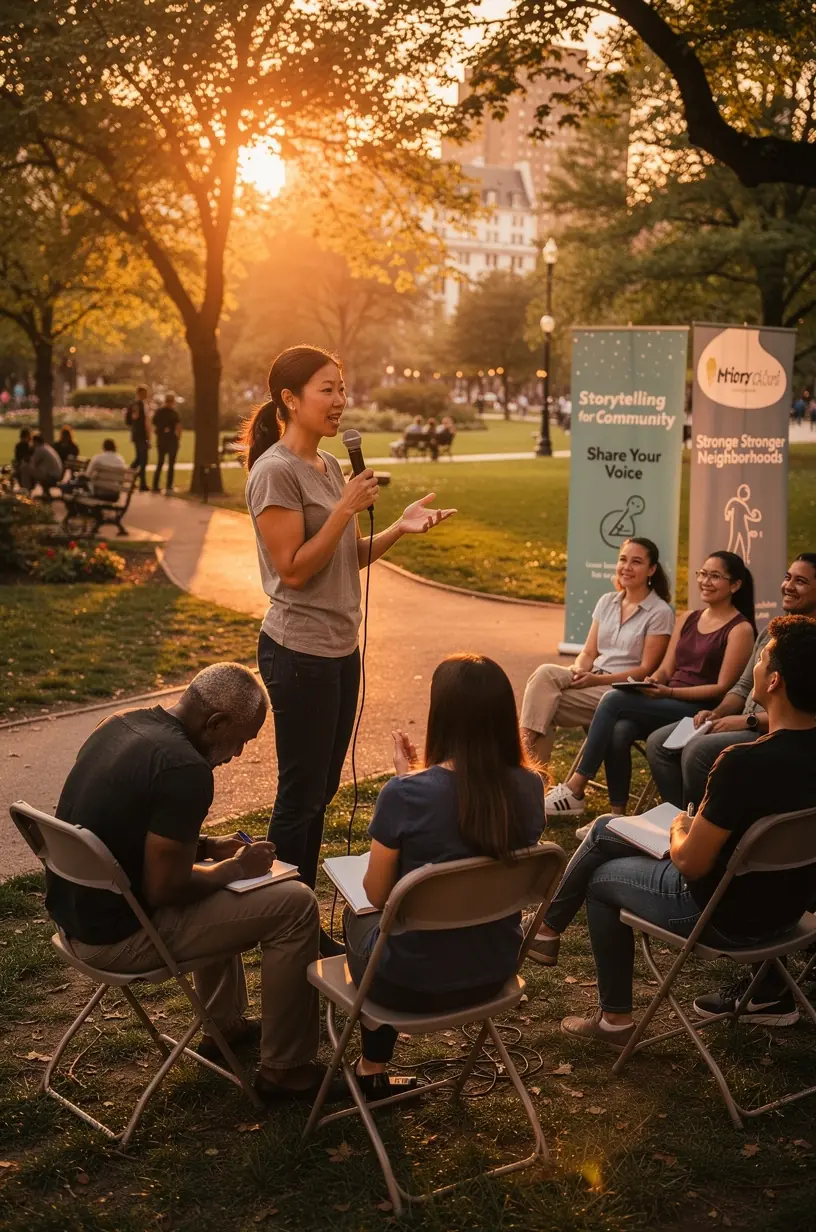
- Community Forums: Organizing local forums for storytelling allows residents to come together and discuss challenges and solutions. This method not only builds community spirit but can also uncover new ideas.
Building a Supportive Environment
Creating an environment conducive to sharing local solutions typically involves several elements:
- Encouragement from Leaders: Local leaders can help by endorsing storytelling initiatives, which may improve participation rates.
- Accessibility: Making storytelling platforms accessible ensures that all community members can participate, especially marginalized voices that often go unheard.
- Ongoing Support: Providing resources and support for those sharing their stories can help sustain interest and engagement over time.
Challenges and Limitations
While storytelling can be a powerful tool for sharing solutions, it is important to acknowledge potential challenges:
- Time Commitment: Engaging in community storytelling typically takes time, requiring consistent effort to foster a culture of sharing.
- Resource Limitations: Not all communities may have the resources to support extensive storytelling initiatives. It may require funding or volunteer support to get started.
- Resistance to Engagement: Some residents may be hesitant to share their stories due to past experiences or lack of trust in the process.
Conclusion
Sharing local solutions through community storytelling can be an effective way to tackle challenges and foster a sense of belonging. By employing practical storytelling techniques and building a supportive environment, communities can unlock the potential of their residents. While challenges exist, the benefits of collaborative problem-solving often outweigh the difficulties, leading to innovative solutions that resonate with locals. As you consider sharing your story or solutions, remember that every contribution counts and can inspire change within your community.
Learn More