How to Document Community Experiences Effectively
In an era where community voices are paramount, sharing local challenges and insights can lead to meaningful change. This article explores effective methods for documenting community experiences, ensuring that stories not only resonate but also inspire actionable solutions.
Understanding the Importance of Documentation
Documenting community experiences is vital for several reasons. According to a report by the Community Tool Box, effective documentation can enhance community engagement by providing a structured way to share challenges and solutions. By capturing the narrative, communities can create a historical record that informs future decision-making and fosters a sense of collective identity.
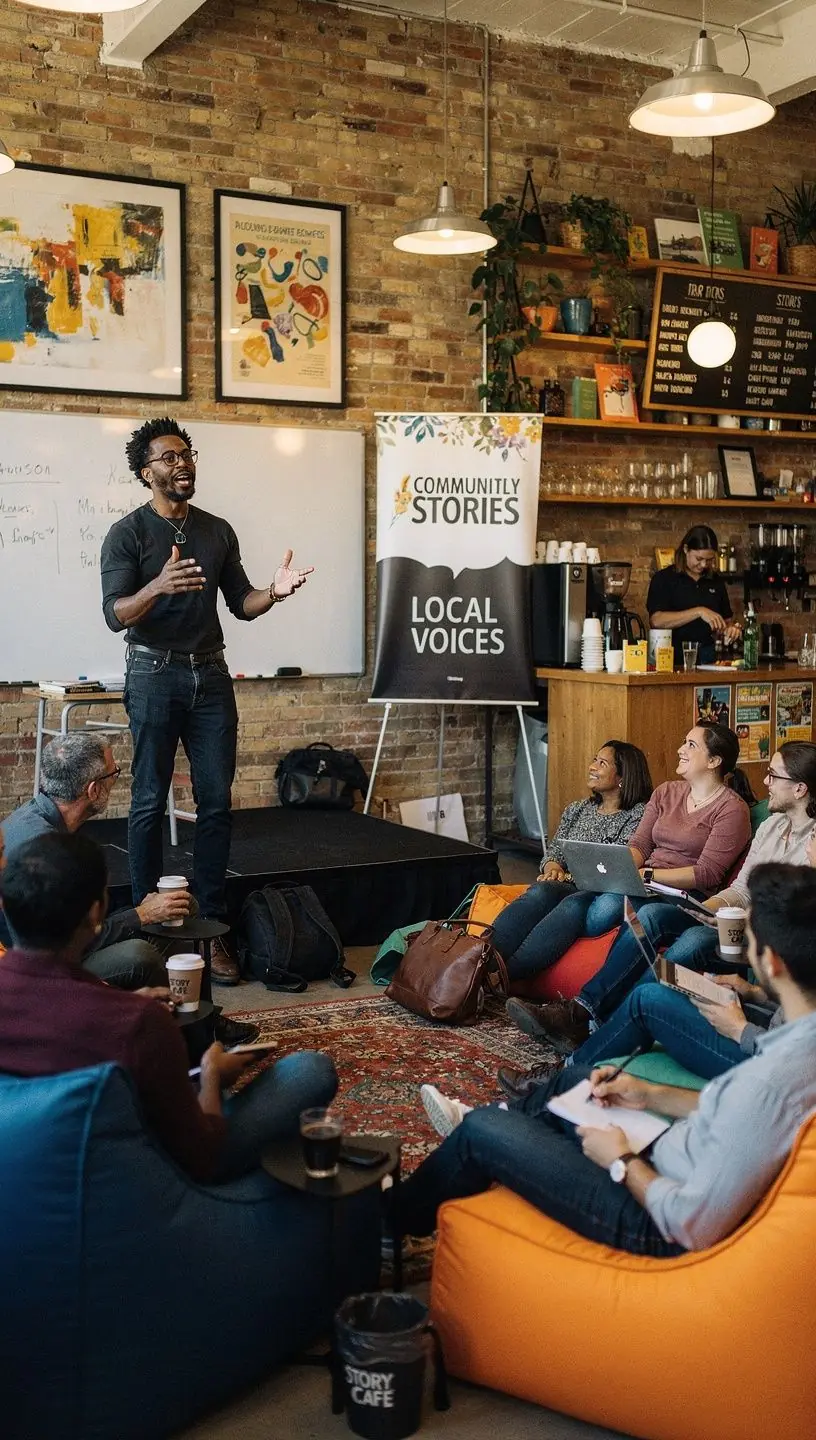
"Communities thrive when their stories are told and preserved for future generations." - Community Development Expert
Choosing the Right Documentation Methods
There are various methods for documenting community experiences, each with its advantages and limitations. Here are some common approaches:
- Interviews: Conducting interviews with community members can yield in-depth personal stories. This method often requires a significant time commitment and skill in active listening, but it produces rich qualitative data.
- Surveys: Surveys allow for gathering broader insights from a larger group. They can be distributed online or in person, but the design must be clear to avoid confusion, and participants' engagement typically influences the quality of responses.
- Photography and Video: Visual documentation can powerfully convey community experiences. However, it’s important to consider the ethical implications of privacy and representation. Always obtain consent from individuals featured in visual materials.
Implementing a Collaborative Approach
According to the National Civic League, engaging community members in the documentation process enhances ownership and relevance. This collaborative approach can take various forms:
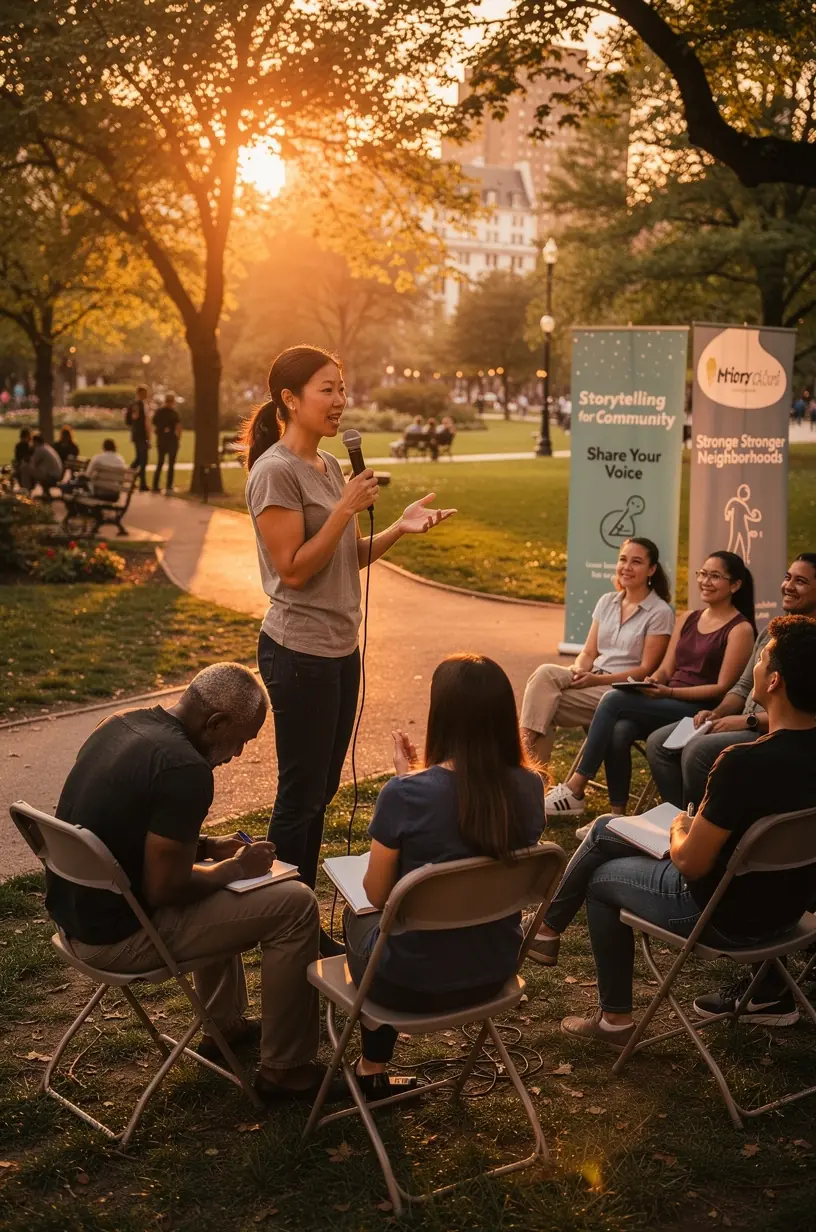
- Workshops: Organize workshops where community members can share their stories in a structured format. This typically involves a facilitator to guide the discussion and capture key points.
- Story Collecting Events: Host community events dedicated to storytelling. This creates a platform for sharing experiences and encourages participants to connect with one another. However, preparation can be time-intensive.
- Online Platforms: Utilize social media or dedicated community forums to document experiences. This method allows for real-time sharing but requires ongoing moderation and management to maintain a positive environment.
Best Practices for Effective Documentation
To maximize the impact of your documentation efforts, consider the following best practices:
- Be Clear and Consistent: Establish guidelines for documentation that everyone can follow. This promotes uniformity and ensures that all narratives are captured effectively.
- Respect Privacy: Always prioritize the privacy of individuals sharing their stories. Anonymizing data or seeking consent helps maintain trust within the community.
- Feedback Loops: Engage the community by sharing drafts of the documentation for feedback. This not only improves the content but also fosters a sense of collaboration.
Conclusion
Effectively documenting community experiences can lead to a wealth of knowledge that benefits local initiatives and fosters stronger community ties. While the process may require substantial time and effort, the insights gained can drive meaningful change. By adhering to best practices and engaging community members, you can create a valuable resource that empowers voices and inspires action.