Understanding the Role of Community Narratives
Community narratives offer a significant avenue for sharing local challenges, solutions, and insights, fostering a sense of belonging and awareness. This article explores the importance of these narratives in shaping communities, supported by research and expert recommendations.
The Power of Storytelling in Communities
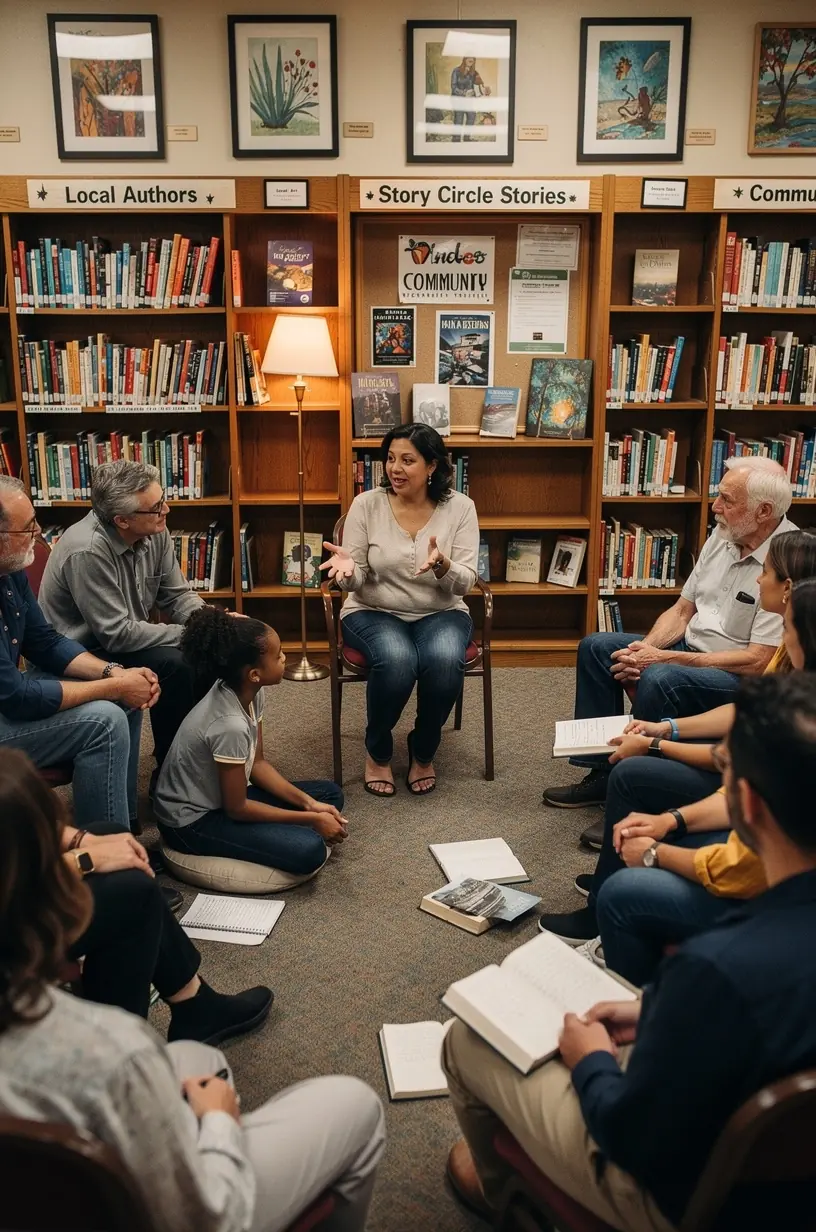
Community narratives are more than just stories; they serve as vital tools for connection and understanding. According to a study by the National Storytelling Network, narratives help individuals make sense of their experiences and encourage empathy among diverse groups. The principle behind this is straightforward: when people share their stories, they create a shared space that promotes understanding and solidarity.
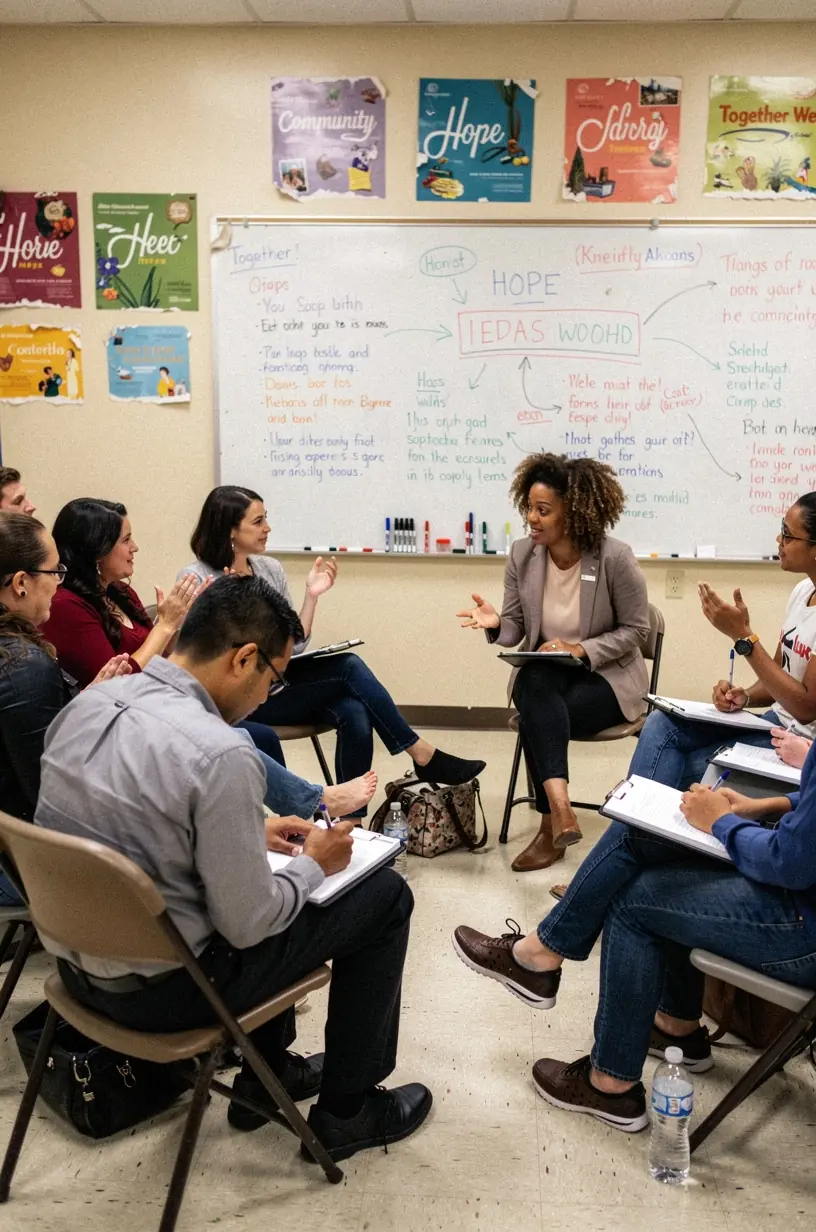
"Stories are the foundation of community engagement, allowing us to relate to one another and build mutual support." - Community Development Research
Building Connections Through Shared Experiences
Many users report that storytelling can be a reliable method for addressing local challenges. Here are some practical applications:
- Identifying Common Issues: By sharing narratives, community members can highlight challenges that may not be immediately visible. This can lead to collective problem-solving, as evidenced by community forums in various regions across Canada.
- Fostering Empathy: When individuals recount their experiences, it allows others to understand different perspectives. Experts in community psychology suggest that empathetic storytelling can bridge divides and enhance cooperation within groups.
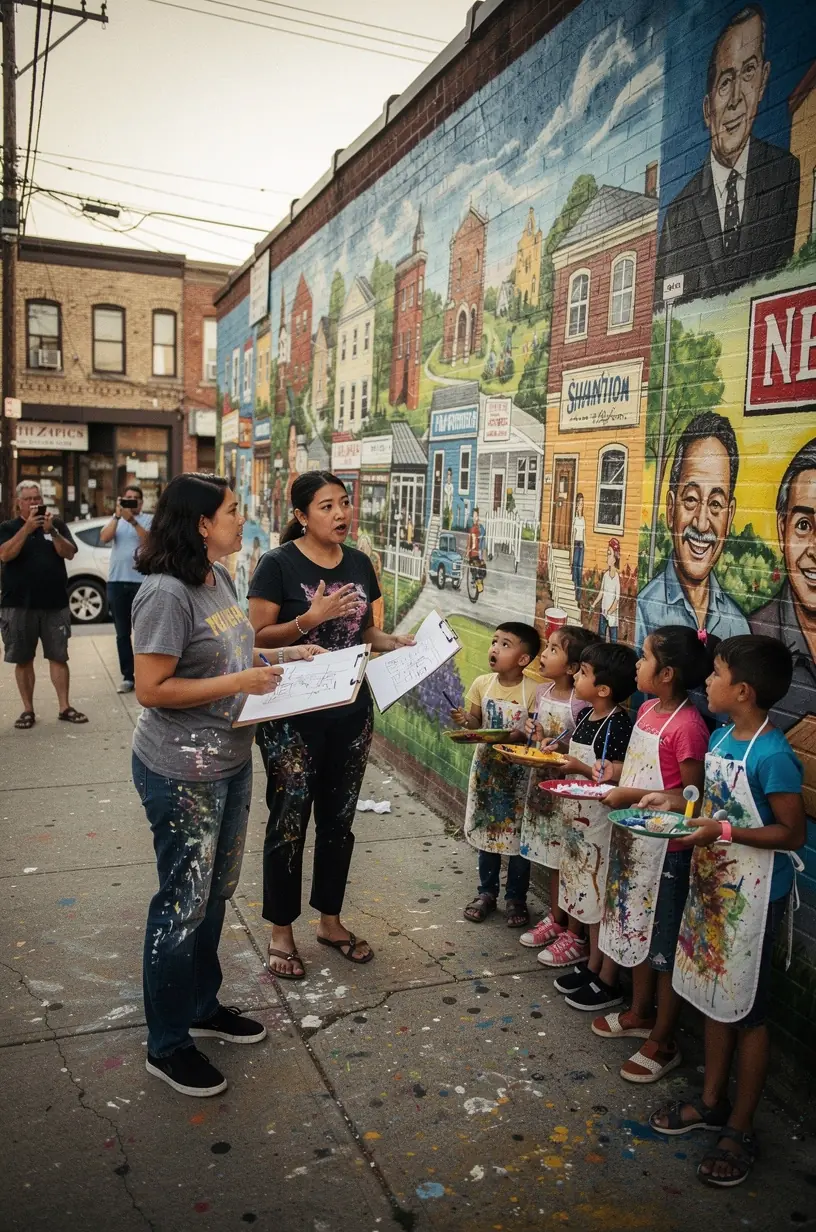
- Encouraging Participation: Research indicates that inclusive storytelling initiatives often lead to increased community participation. For instance, programs designed to gather local stories have shown a 25-30% rise in volunteerism in various neighborhoods.
Challenges and Limitations of Community Narratives
While the benefits of community storytelling are significant, there are limitations to consider:
- Community narratives typically require a time commitment to cultivate, as it often takes several months to establish trust and openness.
- Engaging diverse voices can involve challenges, especially in communities with historical divisions. It’s essential to approach storytelling with sensitivity and an understanding of these complexities.
- Not all stories resonate equally; some may face skepticism or resistance depending on the audience’s experiences and backgrounds.
Conclusion
In summary, community narratives play an essential role in building connections among members and addressing local challenges. By sharing stories, individuals not only create a sense of belonging but also pave the way for collective action. While there are challenges to overcome, the potential for positive impact through storytelling is substantial. Engaging in this practice can lead to enriched community ties and effective problem-solving approaches, making it a valuable endeavor for any community.
Learn More