Strategies for Amplifying Marginalized Voices in Storytelling
Storytelling has the power to bridge gaps and foster understanding, especially when it comes to marginalized voices. This article explores effective strategies that can help amplify these voices, creating a richer tapestry of narratives in our communities.
Understanding the Importance of Diverse Narratives
According to research conducted by the American Psychological Association, narratives that include diverse perspectives can lead to improved empathy and understanding among audiences. This shows that incorporating marginalized voices in storytelling is not just beneficial, but essential for healthy community discourse.

"Storytelling is a powerful tool that can foster empathy, understanding, and social change, especially when diverse perspectives are included." – Community Storytelling Expert
Strategies for Amplifying Marginalized Voices
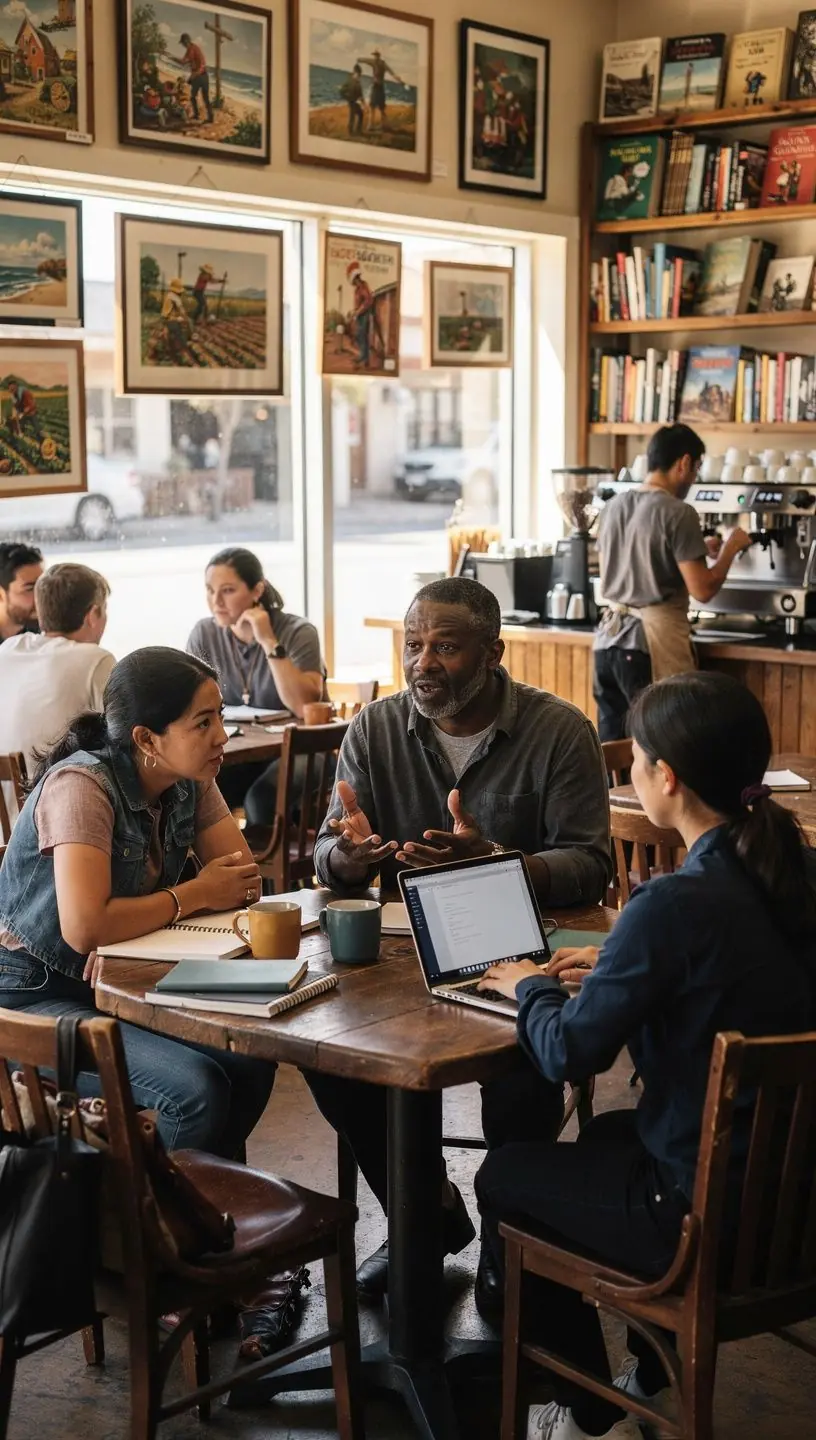
- Engage with the Community: Building relationships with marginalized groups is crucial. This often involves attending community events, participating in discussions, and actively listening to their stories. According to studies, community engagement fosters trust, which can lead to more authentic narratives.
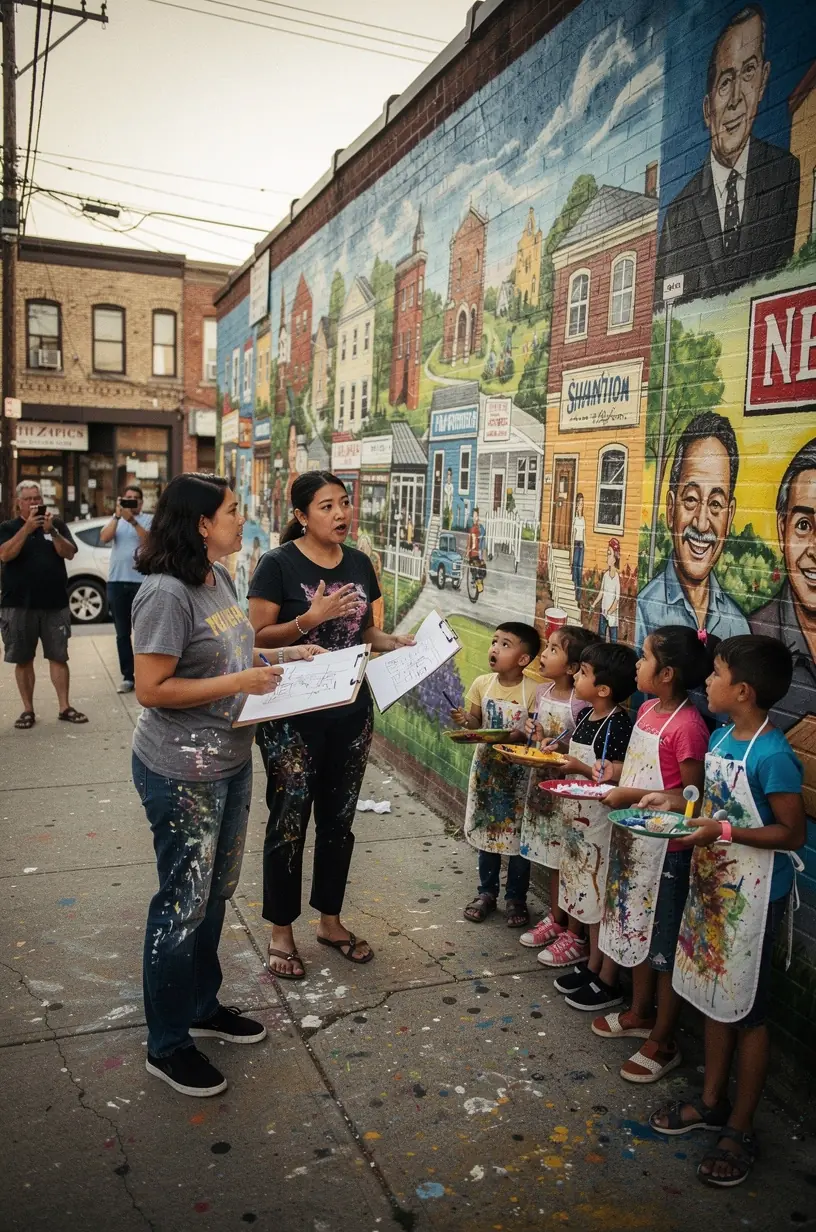
- Utilize Collaborative Storytelling: Collaborating with community members in the storytelling process can create a platform for their voices to be heard. This approach not only empowers individuals but also ensures that the narratives shared are genuine and reflective of their experiences.
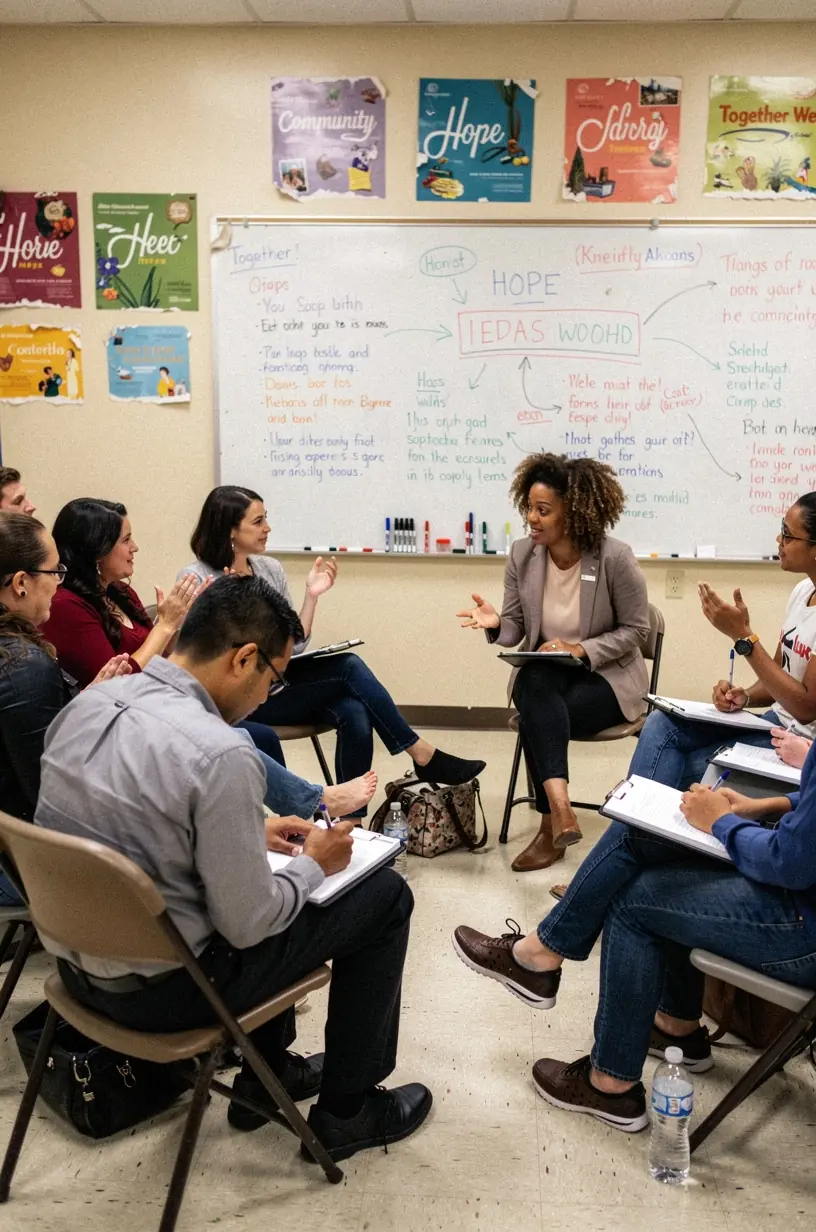
- Provide Training and Resources: Offering workshops that focus on storytelling techniques can equip marginalized individuals with the tools they need to share their experiences. Experts recommend that such training sessions typically last between 2-4 weeks to ensure participants have adequate time to develop their skills.
- Use Multiple Platforms: Amplifying voices can be more effective when using a variety of platforms—be it social media, podcasts, or community events. Research indicates that using diverse formats can reach broader audiences and engage different demographics.
Acknowledging Challenges
While amplifying marginalized voices is essential, it is important to acknowledge the challenges that may arise. For instance, there may be a learning curve for both storytellers and audiences, as they navigate sensitive topics and complex narratives. These challenges require patience and commitment, as effective storytelling often involves trial and error.
Conclusion
Amplifying marginalized voices in storytelling is a nuanced process that requires intention, effort, and collaboration. By engaging with communities, providing necessary resources, and utilizing diverse platforms, we can create a more inclusive narrative space. While challenges may arise, the benefits of fostering understanding and empathy through varied perspectives are invaluable for community growth.